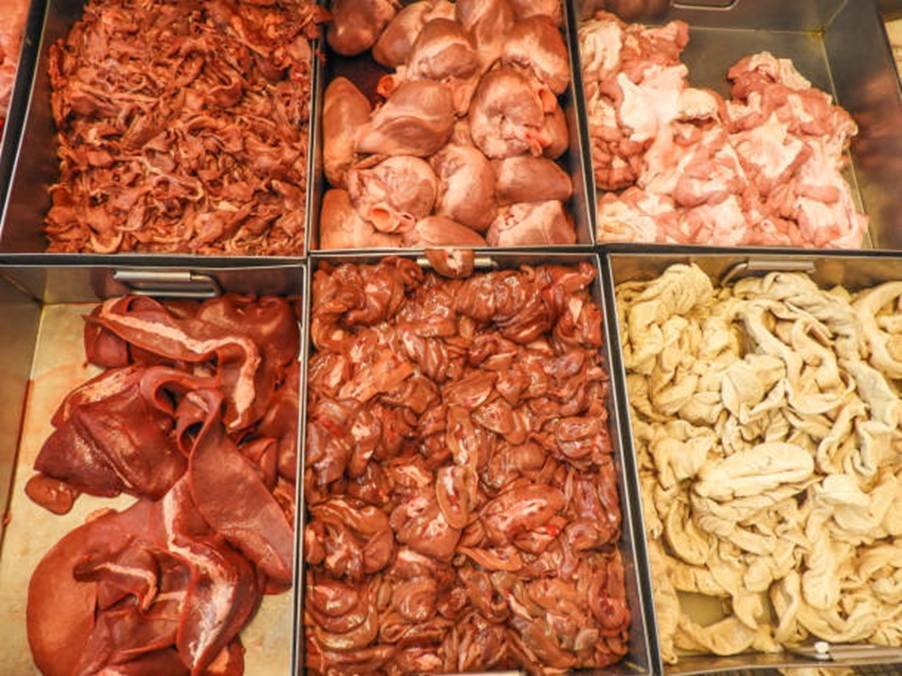
beef liver for cats is often considered one of the most nutrient-dense natural foods you can add to a feline diet. Packed with essential vitamins, minerals, and high-quality protein, beef liver can play a powerful role in supporting your cat’s overall health—from a shinier coat to stronger immunity and healthy growth. However, like any rich food, it must be fed in the right way and in proper amounts to avoid imbalance.
In this article, we’ll break down what makes beef liver so beneficial for cats, how it supports different aspects of health, and how to safely include it in your pet’s diet.
Why Beef Liver for Cats Is So Nutrient-Dense
Beef liver is often referred to as a “superfood” for pets because it contains concentrated nutrients that are essential for feline health. Cats are obligate carnivores, which means they require animal-based nutrients to thrive, and liver is one of the richest natural sources available.
Unlike muscle meat, liver contains significantly higher levels of vitamins and minerals. It is especially rich in vitamin A, vitamin B complex (including B12), iron, copper, zinc, and essential amino acids. These nutrients support multiple body functions, including vision, energy production, immune response, and skin health.
Because cats naturally eat organ meat in the wild, beef liver is biologically appropriate when fed correctly. The key is moderation—too much can lead to nutrient overload, particularly vitamin A toxicity.
How Beef Liver Supports Coat Health in Cats
A shiny, soft coat is often a visible sign of a healthy cat. One of the biggest benefits of beef liver for cats is its ability to improve skin and coat condition over time.
The nutrients in liver work in several ways:
Amino acids help build keratin, the protein that makes up fur. Without enough protein, a cat’s coat can become dull or brittle. Liver provides highly digestible protein that supports strong hair growth.
Vitamin A plays a key role in skin cell regeneration. It helps maintain healthy skin glands, which produce natural oils that keep the coat smooth and glossy. A deficiency may lead to dry skin or excessive shedding.
B vitamins, especially biotin and B12, support metabolism and skin repair. These vitamins help reduce flakiness and improve overall coat texture.
Iron improves oxygen delivery in the bloodstream, which indirectly supports healthier skin cells and hair follicles.
Over time, cats that receive small, controlled amounts of liver often show noticeable improvements in fur softness and shine.
See also: What is the Essential Eight Framework? A Complete Guide for 2026
Beef Liver and Immune System Strength
A strong immune system helps cats fight infections, recover faster, and stay active. Beef liver is particularly beneficial in this area due to its dense micronutrient profile.
The combination of zinc, iron, and vitamin A helps strengthen immune defenses. Zinc supports white blood cell production, which is essential for fighting pathogens. Iron contributes to healthy blood and oxygen transport, while vitamin A plays a role in maintaining mucous membranes, which act as the body’s first line of defense.
Additionally, the high-quality protein in liver supports antibody production. This means your cat’s body is better equipped to respond to bacteria, viruses, and environmental stressors.
Cats recovering from illness or stress may also benefit from small amounts of liver as part of a nutrient-rich diet, helping them regain strength more quickly.
Supporting Growth and Development in Cats
For kittens and young cats, nutrition plays a crucial role in healthy development. Beef liver for cats can be especially helpful during growth stages when nutrient demands are high.
Protein is essential for muscle development, organ function, and tissue repair. Liver provides complete animal protein that is easy for cats to digest and absorb.
Vitamin A supports healthy vision development, especially important in growing kittens. It also plays a role in bone growth and cellular development.
B vitamins help convert food into energy, ensuring active kittens stay energetic and playful. These nutrients also support brain development and nervous system function.
However, because kittens are more sensitive to nutrient imbalances, liver should only be a small portion of their overall diet. It should complement a balanced kitten food rather than replace it.
Key Nutrients in Beef Liver for Cats
Here is a simple breakdown of what makes beef liver so beneficial:
Beef liver contains:
- High-quality animal protein for muscle and tissue development
- Vitamin A for vision, skin, and immune support
- Vitamin B12 for energy and nerve health
- Iron for healthy blood and oxygen transport
- Zinc for immune strength and healing
- Copper for enzyme function and red blood cell formation
These nutrients work together to support overall feline wellness, especially when fed in moderation as part of a balanced diet.
How to Feed Beef Liver to Cats Safely
While beef liver is highly nutritious, it is also very rich. Feeding it incorrectly can lead to digestive upset or nutrient imbalance.
The safest approach is moderation and proper preparation.
Cooked liver is generally safer than raw for most pet owners, as cooking reduces the risk of bacterial contamination. It should be plain, without salt, oil, or seasoning.
Portion control is essential. Liver should be treated as a supplement or occasional treat rather than a daily main meal. Even small pieces can provide significant nutrition.
A balanced approach might include feeding liver once or twice a week in small quantities depending on your cat’s size and dietary needs.
Simple Feeding Guidelines for Cat Owners
When introducing beef liver for cats, it’s best to start slowly. Cats can be sensitive to rich foods, so gradual introduction helps avoid stomach upset.
Here are a few practical tips:
Feed small bite-sized portions rather than large pieces.
Mix liver with regular cat food to improve acceptance.
Observe your cat for any digestive changes after feeding.
Avoid seasoning, spices, or processed liver products.
It’s also important not to exceed recommended amounts. Too much vitamin A over time can lead to toxicity, which may affect bones and joints.
Best Way to Include Beef Liver in a Cat’s Diet
The ideal way to use beef liver for cats is as a small, nutrient-rich addition to a complete diet. It works best when combined with high-quality commercial cat food or a vet-approved homemade diet plan.
You can offer it:
- As an occasional treat
- Mixed with kibble or wet food
- As part of training rewards in small pieces
Consistency and moderation are key. Even small amounts can deliver noticeable health benefits when used correctly over time.
Final Thoughts
Beef liver for cats is one of the most nutrient-rich natural foods you can offer your feline companion. It supports coat health, strengthens immunity, and contributes to healthy growth when used responsibly. Its dense nutritional profile makes it a powerful supplement, but it should always be fed in moderation to avoid imbalances.
When included thoughtfully in a balanced diet, beef liver can help your cat maintain better energy, a shinier coat, and stronger overall health—making it a valuable addition to their nutritional routine.