Industrial cooling systems are essential for maintaining stable temperatures, improving process efficiency, and supporting reliable operations across multiple industries. As businesses continue searching for sustainable and energy efficient cooling technologies, adsorption chillers have become an increasingly popular solution. These systems provide effective cooling performance while using low energy consumption and environmentally friendly operating methods.
Modern adsorption chillers are widely used in industrial facilities, commercial buildings, manufacturing plants, and process industries where energy efficiency and sustainable cooling are important priorities. Their ability to utilize waste heat and alternative energy sources makes them highly valuable for modern industrial operations.
What Are Adsorption Chillers?
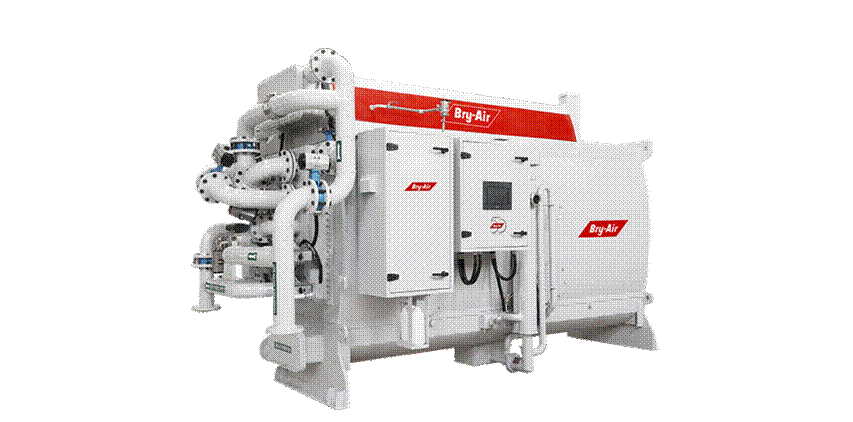
Adsorption chillers are cooling systems that use adsorption technology to produce chilled water or cooling effects through heat driven processes rather than conventional mechanical compression systems.
The process generally involves:
- Using heat energy as the primary power source
- Employing adsorption materials to absorb refrigerants
- Producing chilled water for cooling applications
These systems are designed to reduce electricity consumption while maintaining effective cooling performance.
How Adsorption Cooling Works
Adsorption chillers use specialized adsorbent materials such as silica gel or zeolite to absorb and release refrigerants during cooling cycles.
The cooling cycle typically includes:
- Heat input
- Refrigerant evaporation
- Adsorption and desorption processes
- Chilled water generation
This process allows the system to operate with minimal electrical energy usage.
Importance of Energy Efficient Cooling Systems
Industries rely heavily on cooling systems for production processes, equipment protection, and environmental control. Traditional cooling systems may consume large amounts of electricity and increase operational costs.
See also: Scaling a Tech Business
Challenges With Conventional Cooling Systems
Traditional systems may create:
- High energy consumption
- Increased operational expenses
- Larger environmental impact
- Heavy electrical load requirements
Energy efficient alternatives help industries improve sustainability and cost management.
Growing Demand for Sustainable Cooling
Industries increasingly focus on:
- Reducing energy usage
- Lowering environmental impact
- Improving operational efficiency
- Supporting sustainable infrastructure
Advanced cooling technologies help achieve these goals.
Benefits of Adsorption Chillers
Adsorption based cooling systems offer several important advantages for industrial and commercial applications.
Reduced Energy Consumption
One of the biggest advantages of adsorption chillers is their low electricity requirement.
Benefits may include:
- Lower operating costs
- Reduced electrical demand
- Improved energy efficiency
- Better sustainability performance
Heat driven cooling helps minimize dependence on traditional power systems.
Utilization of Waste Heat
Adsorption systems can operate using:
- Industrial waste heat
- Solar thermal energy
- Hot water systems
- Process heat recovery
Using existing heat sources improves overall energy utilization.
Environmentally Friendly Operation
Modern adsorption systems support:
- Reduced greenhouse emissions
- Lower environmental impact
- Sustainable cooling practices
These systems are considered environmentally responsible alternatives to conventional cooling methods.
Industrial Applications of Adsorption Chillers
Adsorption chillers are used in various industries where stable and efficient cooling is required.
Manufacturing Facilities
Industrial plants use adsorption cooling for:
- Process temperature control
- Equipment cooling
- Production environment management
Efficient cooling improves manufacturing stability.
Commercial Buildings
Commercial facilities may use adsorption chillers for:
- Air conditioning systems
- Energy efficient building management
- Central cooling operations
Sustainable cooling helps improve building performance.
Pharmaceutical and Chemical Industries
Sensitive production environments require stable temperature control for:
- Chemical processing
- Product storage
- Manufacturing operations
Reliable cooling systems help maintain process consistency.
Role of Desiccant Cooling Technologies
Desiccant based cooling systems are closely related to adsorption cooling technologies.
What Is a Desiccant Cooler?
A desiccant cooler uses moisture control and adsorption principles to improve air conditioning and cooling performance.
These systems help:
- Reduce humidity levels
- Improve indoor air quality
- Enhance cooling efficiency
Desiccant technologies support more efficient environmental control.
Benefits of Desiccant Cooling
Desiccant systems may provide:
- Better humidity management
- Reduced cooling load
- Improved air handling efficiency
Integrated cooling solutions improve overall system performance.
Importance of Adsorption Cooling in Modern Industries
Industries continue seeking efficient technologies that balance performance with sustainability.
Energy Cost Reduction
Efficient cooling systems help businesses:
- Lower electricity usage
- Reduce operational expenses
- Improve long term cost efficiency
Energy savings contribute to improved operational profitability.
Environmental Sustainability
Businesses increasingly prioritize environmentally responsible technologies.
Adsorption cooling supports:
- Lower carbon emissions
- Cleaner energy usage
- Sustainable industrial operations
Sustainability has become a major focus in modern industrial infrastructure.
Factors to Consider When Choosing Adsorption Chillers
Selecting the right cooling system depends on operational needs and facility requirements.
Cooling Capacity Requirements
Businesses should evaluate:
- Facility size
- Cooling demand
- Operational intensity
Proper system sizing improves cooling efficiency.
Availability of Heat Sources
Adsorption systems often require:
- Waste heat
- Thermal energy sources
- Hot water systems
Facilities with available heat recovery systems may benefit significantly.
Maintenance and Reliability
Reliable systems should support:
- Consistent operation
- Low maintenance requirements
- Long equipment lifespan
Routine maintenance helps maintain cooling performance.
Common Mistakes Businesses Should Avoid
Poor system planning may reduce cooling efficiency and operational performance.
Ignoring Heat Source Availability
Adsorption systems rely on stable heat input.
Businesses should assess:
- Heat recovery opportunities
- Thermal energy availability
- Operational compatibility
Proper planning improves system effectiveness.
Choosing Incorrect System Capacity
Undersized or oversized systems may reduce efficiency.
Correct capacity selection helps:
- Improve performance
- Reduce operational waste
- Maintain stable cooling conditions
Delaying Maintenance
Poor maintenance may impact:
- Cooling efficiency
- Heat transfer performance
- Operational reliability
Regular inspections support long term system performance.
Why Adsorption Chillers Continue Growing
Industries continue adopting sustainable technologies that improve energy efficiency and reduce environmental impact.
Adsorption chillers continue growing because they support:
- Energy efficient cooling
- Lower operational costs
- Sustainable infrastructure
- Reduced electricity consumption
- Improved environmental performance
Organizations searching for advanced adsorption chiller manufacturers increasingly invest in modern cooling systems to improve long term operational efficiency and sustainability.
Conclusion
Adsorption chillers provide industries with an energy efficient and environmentally responsible cooling solution for modern industrial and commercial applications. Their ability to utilize waste heat and reduce electricity consumption makes them highly valuable for businesses focused on sustainability and operational efficiency.
Advanced adsorption technologies, desiccant cooling systems, and heat driven processes all contribute to improved cooling performance and lower environmental impact. By investing in reliable adsorption chillers, businesses can improve energy management, reduce operational costs, and support long term sustainable growth.